
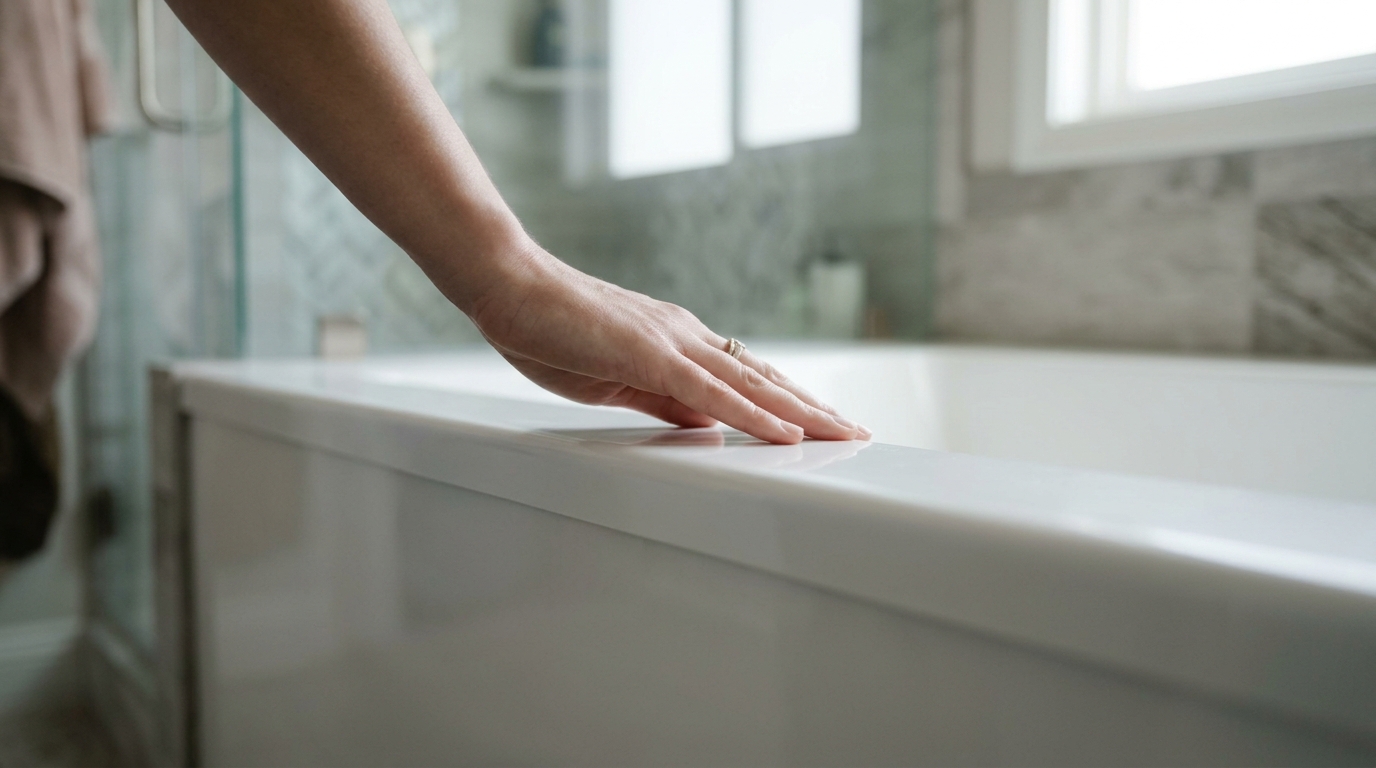
Refinishing a fiberglass shower is a practical way to restore a worn or outdated fixture without the cost and disruption of a full remodel. This process involves applying a new coating to the existing surface to create a clean, durable finish. Excellence Reglazing in Corona, CA, specializes in this service, helping homeowners extend the life of their bathrooms with professional-grade results.
1. Inspect the Surface for Structural Damage
Identify cracks or flexing before starting any cosmetic work. Fiberglass tubs and shower floors can crack from movement, insufficient support, or age. If the floor flexes under weight, simply repairing the visible crack may not address the underlying problem. A professional inspection determines whether structural support is needed to stabilize the area before refinishing.
2. Repair Cracks and Chips
Restore the integrity of the fiberglass before applying a new finish. Minor surface damage like chips and scratches can be filled and leveled. For more significant cracks, the damaged section may need to be opened and prepared so the repair can bond to sound material. This step ensures the new coating has a solid foundation to adhere to.
3. Clean and Prepare the Surface
Remove all contaminants to ensure strong primer adhesion. The fiberglass must be thoroughly cleaned to remove soap scum, oils, and dirt. A chemical treatment is often applied to etch the surface, creating the proper profile for the primer to bond effectively. Proper preparation is critical for a long-lasting finish.
4. Mask Surrounding Areas
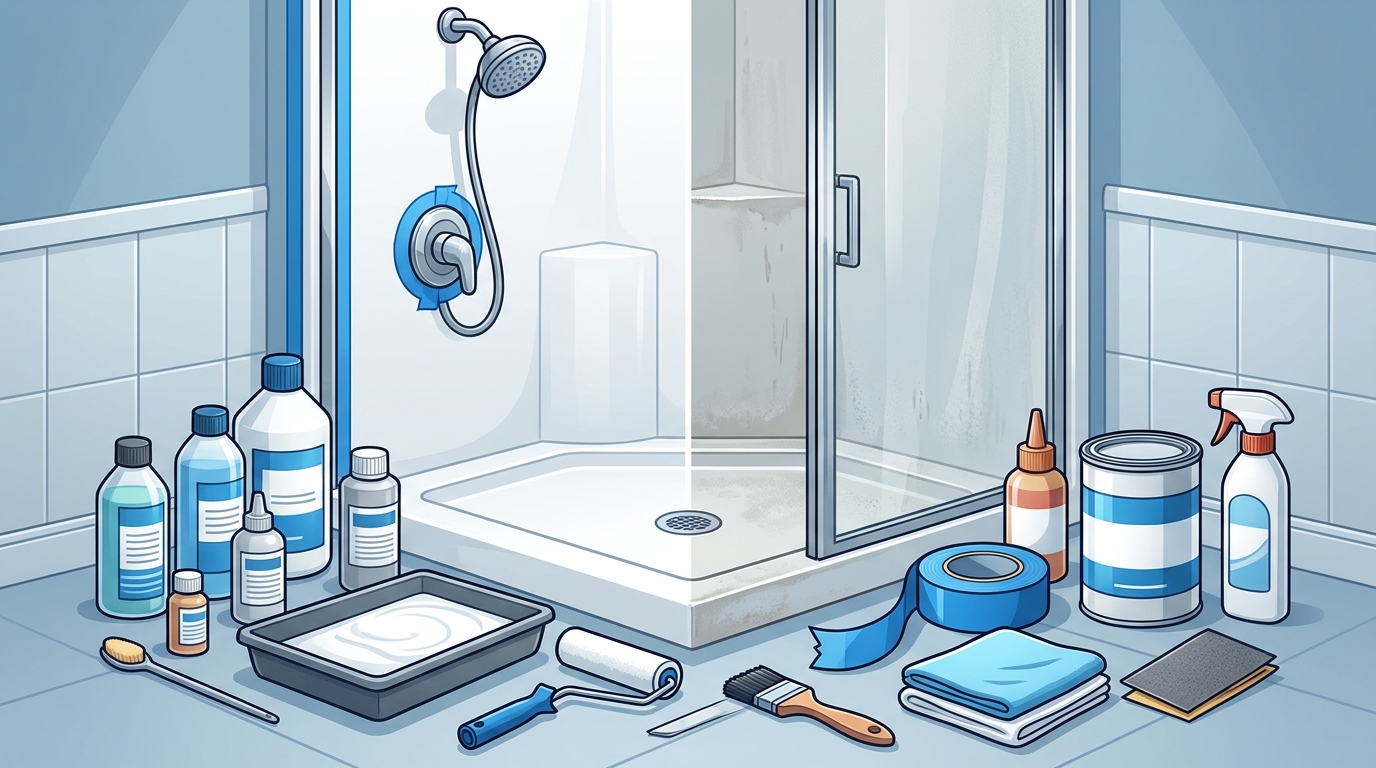
Protect fixtures and walls from overspray and drips. Walls, fixtures, floors, and surrounding areas are carefully masked and protected. This step prevents damage to tiles, grout, and hardware that are not part of the refinishing project. Precision masking ensures a clean, professional edge on the final result.
5. Apply Bonding Primer
Create a strong bonding layer for the new finish. A specialized bonding primer is applied to the prepared fiberglass surface. This layer ensures the final coating sticks properly and resists peeling or blistering over time. The primer must be allowed to dry completely before the next step.
6. Apply the New Finish Coating
Apply multiple layers of a durable, specialized compound. The finish is applied evenly to restore the fiberglass with a smooth, clean appearance. Multiple layers of a specialized reglazing compound are sprayed or brushed on to build up a durable, glossy surface. This step transforms the look of the shower, making it appear brand new.
7. Allow Proper Curing Time
Wait for the finish to cure fully before use. The refinished surface is inspected and allowed to cure properly. Most reglazed bathtubs and showers should remain unused for approximately 24 to 48 hours while the finish cures. The exact cure time can vary depending on conditions and the coating system used.
Choosing the Right Approach
If your fiberglass shower is structurally sound but faded or stained, standard reglazing is the best option. If you notice flexing or cracks, you need a repair with structural support before refinishing. Excellence Reglazing evaluates each surface to determine the appropriate repair and refinishing process for your specific situation.
Frequently Asked Questions
Can a cracked fiberglass shower be repaired?
Yes. Many cracks in fiberglass tubs and shower floors can be repaired, depending on the location, extent of the damage, and condition of the surrounding fiberglass. Structural support may be added to reduce flexing and strengthen the repair area.
How long does a reglazed fiberglass shower last?
With proper preparation, professional application, and proper care, a reglazed shower can often last 10 to 15 years. Avoiding abrasive cleaners and following care instructions helps protect the finish.
Do I need to replace the shower if it is just yellowed?
No. If the fiberglass is still structurally sound, reglazing can restore faded, yellowed, or stained surfaces with a clean, refreshed finish without replacing the fixture.
What is the difference between reglazing and repair?
Reglazing is primarily used to restore the appearance of a worn or discolored surface. Fiberglass repair addresses cracks, damaged areas, flexing, or structural problems that may need to be fixed before refinishing.
How long before I can use the shower after refinishing?
Most reglazed shower surfaces should remain unused for approximately 24 to 48 hours while the finish cures. The exact time depends on the coating system and environmental conditions.
Is refinishing cheaper than replacing a shower?
Yes. Refinishing is significantly cheaper than replacing the entire shower. It avoids demolition, plumbing work, and new materials, making it a cost-effective solution for updating your bathroom.
Ready to Restore Your Shower?
Excellence Reglazing provides professional fiberglass shower refinishing and repair services in Corona and surrounding areas. To get a free quote, today.