
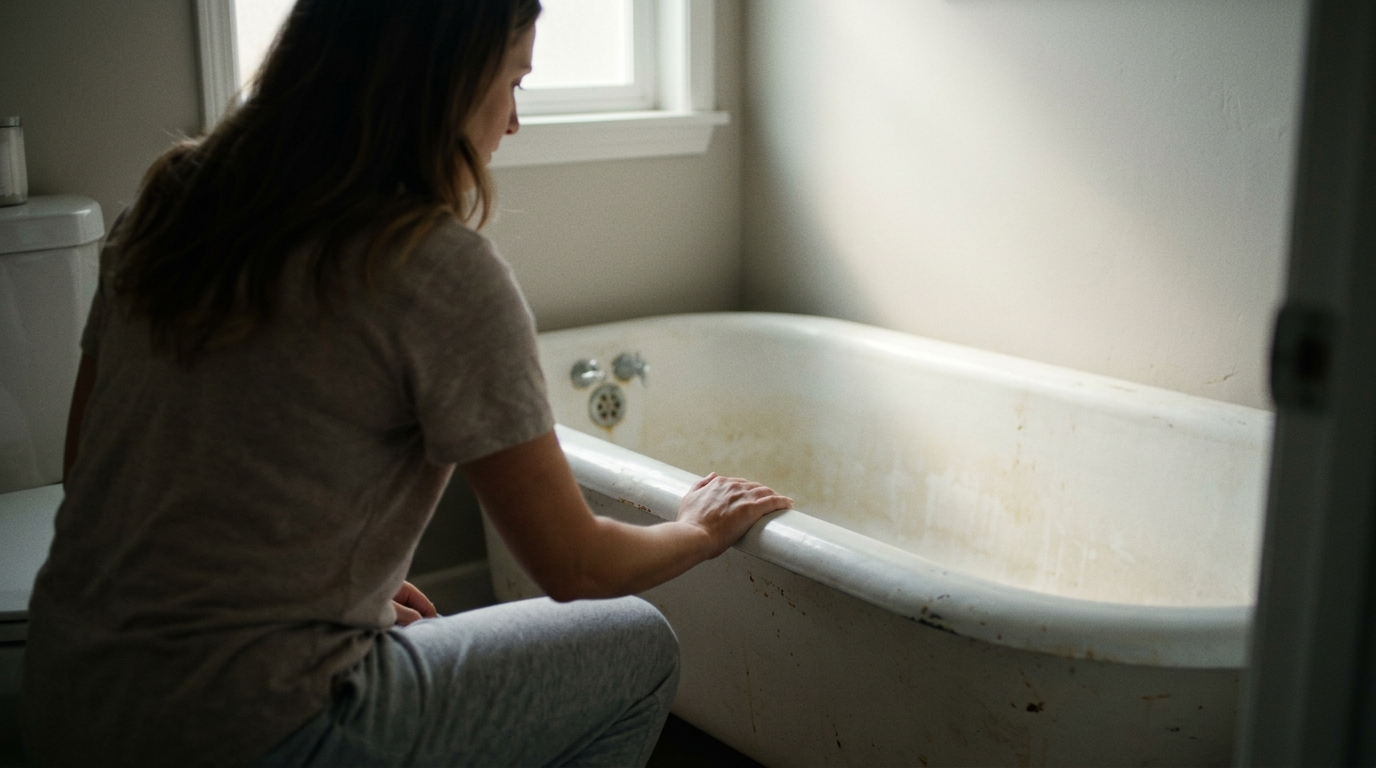
Porcelain bathtubs are among the most popular tub types found in American homes, yet years of daily use can leave them looking worn and uninviting. If your tub has visible chips, stubborn stains, or a dull surface that no amount of scrubbing can fix, refinishing may be the smartest move you can make. Porcelain tub refinishing is a surface restoration process that repairs and recoats an existing tub to restore a smooth, glossy finish without the cost or hassle of a full replacement. Below, we break down the most common reasons homeowners in Corona, CA, and beyond choose to refinish rather than replace.
1. Chips and Cracks in the Porcelain Surface
Chip damage is one of the most common problems that drives homeowners to seek refinishing. Chips typically occur when a hard or heavy object strikes the tub and detaches a piece of the porcelain coating. Left unrepaired, these exposed spots allow moisture to reach the substrate, which can lead to mold, mildew, and further deterioration.
Professional porcelain tub reglazing fills and seals chips so the surface is smooth and watertight again. A properly refinished bathtub can last 10 to 15 additional years with proper care, making it a practical long-term fix.
2. Discoloration and Staining
Discoloration is a gradual problem that affects nearly every porcelain tub over time. Hard water minerals, soap residue, and cleaning product buildup create yellow or brown stains that become impossible to remove with household cleaners. Discoloration is the loss of original color or gloss on a tub surface caused by mineral deposits, chemical reactions, or prolonged wear.
Refinishing applies a fresh coating that restores a bright, uniform appearance. Learn more about the transformation process in our guide on how bathtub resurfacing services transform your bathroom.
3. Rust and Corrosion
Rust spots usually mean the porcelain glaze has worn through and the metal underneath has started reacting to moisture. This is especially common around drains and overflow areas where water lingers. Corrosion is the chemical breakdown of a metal substrate when its protective porcelain layer is compromised.
A qualified technician can grind out surface rust, apply a bonding agent, and recoat the area so it is sealed against future moisture intrusion. If caught early, tub refinishing can save a tub that might otherwise need full replacement.
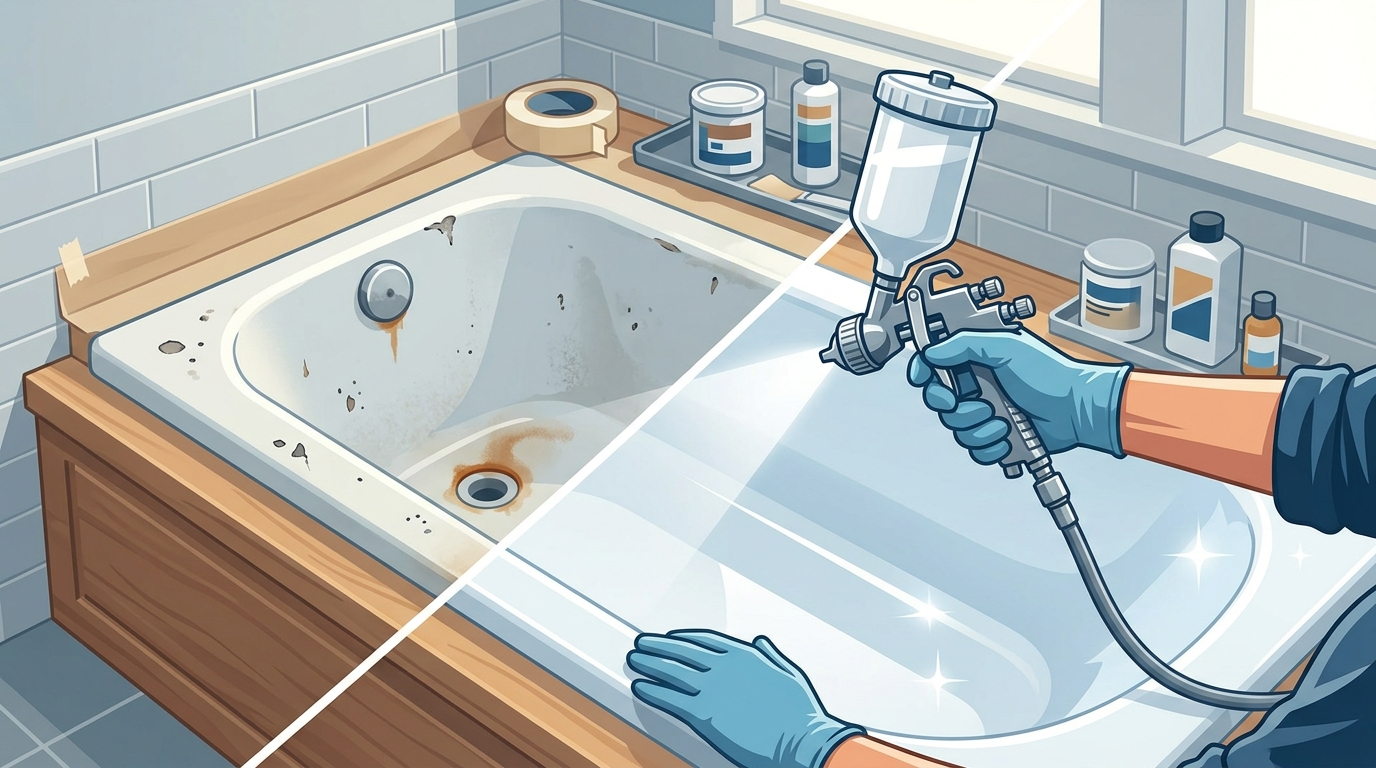
4. Outdated Tub Color
Bathrooms from the 1960s through the 1990s often feature tubs in avocado green, harvest gold, or pastel pink. These colors can make an entire bathroom feel dated. Refinishing lets you choose a modern color, most commonly a clean white or soft gray, without removing the existing tub.
Changing a tub color through reglazing is a popular choice among homeowners looking to refresh their bathroom with professional reglazing on a budget.
5. A Surface That Is Hard to Clean
Older porcelain tubs develop a porous texture as the glaze wears down over the years. That roughened surface traps soap scum and grime, making the tub look dirty even right after cleaning. Refinishing seals those pores with a smooth, non-porous coating that wipes clean easily.
For tips on keeping your surfaces in top shape after refinishing, read our article on maintaining a beautiful shower surface.
6. Significant Cost Savings Over Replacement
The financial case for refinishing is compelling. A full bathtub replacement can cost several thousand dollars when you factor in demolition, plumbing, new fixtures, and installation labor. Refinishing typically saves homeowners over 70% compared to replacing their tub, according to Excellence Reglazing.
| Factor | Tub Replacement | Tub Refinishing |
|---|---|---|
| Average Cost | $2,500 - $5,000+ | $250 - $600 |
| Project Duration | 3 - 5 days | 3 - 5 hours |
| Demolition Required | Yes | No |
| Plumbing Work | Usually | None |
| Landfill Waste | Significant | Minimal |
| Result Lifespan | 20+ years | 10 - 15 years |
As the table shows, refinishing delivers a like-new appearance at a fraction of the price and with far less disruption to your daily routine.
7. Failed Previous Refinishing Job
Not every reglazing job is performed to the same standard. A previous coating that is peeling, bubbling, or separating at the edges is a strong signal that the original work was done improperly. Homeowners in this situation often turn to a reputable company for a professional redo.
If you suspect your tub was previously coated, learn what to expect when reglazing your bathtub so you can set realistic expectations for the repair.
Key Takeaways
- Chips, cracks, and rust are the top structural reasons homeowners refinish porcelain tubs.
- Discoloration and a hard-to-clean surface are the most common cosmetic complaints.
- Outdated tub colors can make an entire bathroom look dated; reglazing offers a quick color change.
- Refinishing saves over 70% compared to full tub replacement and takes only a few hours.
- A professionally refinished tub can last 10 to 15 years with proper maintenance.
- Failed previous coatings can be stripped and redone correctly by a qualified specialist.
- The process avoids demolition, plumbing work, and days of bathroom downtime.
Frequently Asked Questions
What is porcelain tub refinishing?
Porcelain tub refinishing is a surface restoration process in which the tub is cleaned, prepped, repaired where needed, and then coated to restore a smooth, uniform finish. It is done in place, so the tub does not need to be removed.
How long does a refinished porcelain tub last?
A professionally refinished porcelain tub typically lasts 10 to 15 years, depending on maintenance and usage habits. Using non-abrasive cleaners and avoiding harsh chemicals will extend the life of the new coating.
Can you change the color of a porcelain tub with refinishing?
Yes. Pigments can be added to the refinishing material to change the tub to virtually any color. White is the most requested, but custom colors are also available.
Is refinishing a porcelain tub worth it?
For most homeowners, yes. Refinishing costs a fraction of replacement and can be completed in a single day. It resolves chips, stains, rust, and outdated colors while extending the tub's useful life by a decade or more.
How much does porcelain tub refinishing cost?
The average price for refinishing a standard-size porcelain tub ranges between $250 and $600, depending on the condition of the tub and the region. This compares favorably to $2,500 to $5,000 or more for a full replacement.
Does refinishing fix rust on a porcelain tub?
Yes, as long as the rust has not compromised the structural integrity of the metal substrate. A technician will remove the rust, repair the area, and apply a bonding coat before the final finish.
How long does the refinishing process take?
Most porcelain tub refinishing jobs are completed in 3 to 5 hours. The tub is typically ready for use within 24 to 48 hours after the coating cures.
How do I maintain a refinished porcelain tub?
Use gentle, non-abrasive cleaners and a soft cloth or sponge. Avoid bleach, scouring powders, and suction-cup bath mats, as these can damage the new finish over time.
Ready to Restore Your Porcelain Tub?
If any of these issues sound familiar, Excellence Reglazing can help. We serve Corona, CA, and the surrounding Inland Empire area with professional porcelain tub refinishing that saves you over 70% compared to replacement. Contact us today for a free estimate and see how quickly your bathroom can look brand new again.