
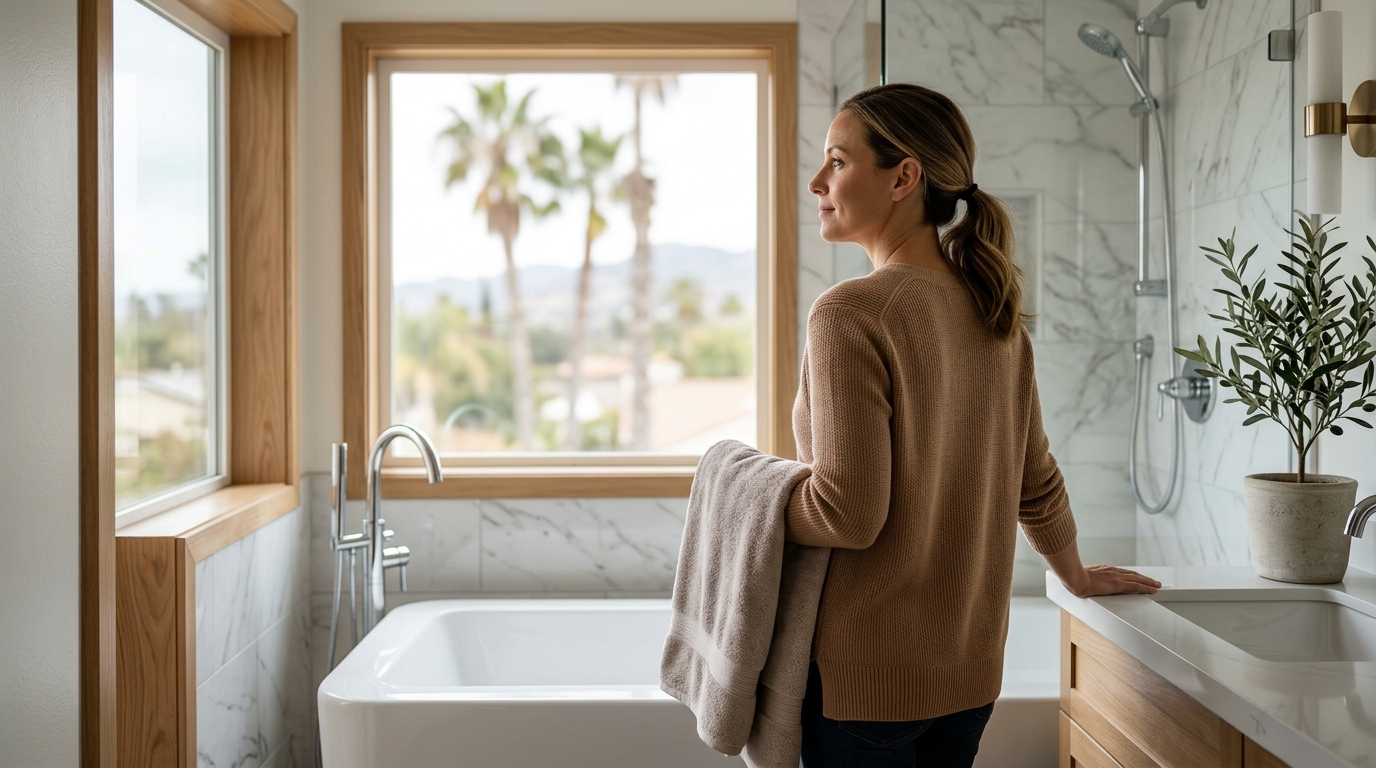
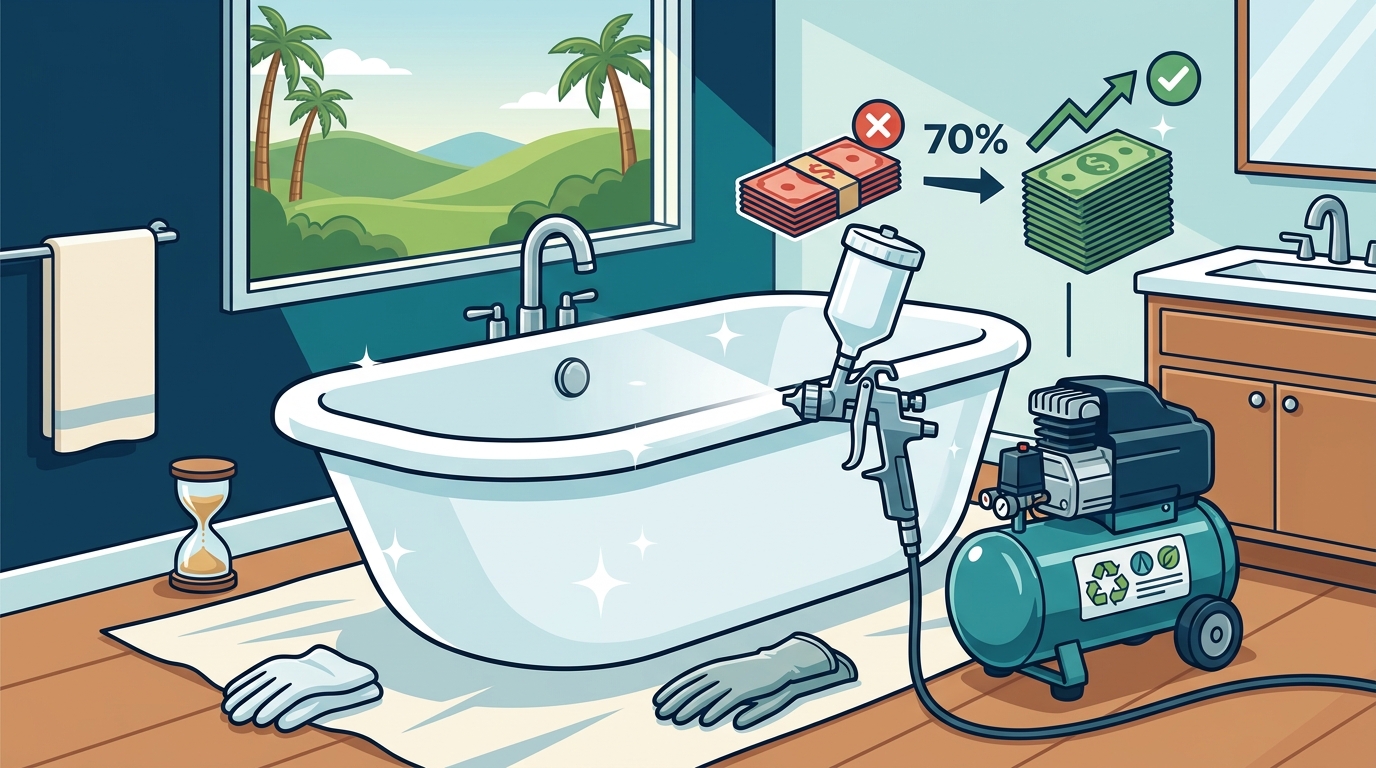
Homeowners in Southern California consistently prioritize bathroom renovations that balance durability with immediate budget constraints. Modern renovation data indicates that reglazing typically reduces overall project expenses by approximately seventy percent compared to full fixture replacement. This financial advantage drives property owners toward professional surface restoration rather than demolition and reconstruction. A certified local provider delivers rapid turnaround times while maintaining strict environmental compliance standards throughout the application phase. Residents seeking reliable bathroom upgrades should evaluate service warranties, material compatibility, and regional licensing requirements before scheduling an on-site consultation. (Contact Excellence Reglazing)
Understanding the Reglazing Process
Professional surface restoration follows a strict multi-stage protocol designed to ensure maximum adhesion and long-term durability. The initial phase involves thorough surface preparation, which removes existing glaze, mineral deposits, and microscopic contaminants. Technicians then apply specialized bonding primers that chemically fuse with the underlying substrate. The final coating stage utilizes high-performance epoxy or polyurethane formulations that cure into a seamless, non-porous barrier. This systematic approach eliminates the need for structural demolition while restoring original aesthetic appeal.
Surface preparation is the foundational step that determines long-term coating adhesion and overall project success. Homeowners should verify that their chosen contractor utilizes industrial-grade sanding equipment and HEPA-filtered vacuum systems to maintain indoor air quality during application. Proper ventilation remains critical during the curing window, which typically spans between four and six hours for standard residential fixtures.
Surface Material Compatibility
Not all bathroom fixtures respond identically to chemical restoration treatments. Porcelain tub reglaze requires specific etching solutions to penetrate the ceramic glaze layer without compromising structural integrity. Fiberglass tub repair demands flexible polymer binders that accommodate natural thermal expansion and contraction cycles. Acrylic and cultured marble surfaces require specialized adhesion promoters to prevent premature delamination under heavy usage conditions.
Porcelain tub reglaze is a specialized restoration technique that chemically bonds new coating layers to ceramic substrates without altering original fixture dimensions. Fiberglass tub repair is a targeted surface renewal method that utilizes flexible polymer resins to restore cracked or faded enclosures. Acrylic surface restoration is a precision coating application that maintains original curvature while introducing scratch-resistant top layers. Selecting the correct formulation depends entirely on the original manufacturing materials and current wear patterns.
Cost Benefit Analysis
Financial planning for bathroom upgrades requires accurate comparison between immediate restoration expenses and long-term replacement liabilities. Full fixture demolition generates substantial disposal fees, plumbing reconfiguration costs, and potential subfloor damage repairs. Professional reglazing eliminates these secondary expenses while delivering comparable visual outcomes within a single business day. Property managers and residential owners consistently report higher return on investment when prioritizing surface renewal over structural replacement.
The financial advantage becomes particularly pronounced for multi-unit residential properties and commercial hospitality facilities. Bulk service agreements often trigger additional volume discounts that further reduce per-unit restoration costs. Homeowners should request detailed line-item estimates that separate surface preparation, primer application, and topcoat curing phases. Transparent pricing structures prevent unexpected charges during the final inspection phase.
Local Expertise and Regional Standards
Corona California presents unique environmental conditions that directly impact coating performance and curing timelines. High desert temperatures accelerate solvent evaporation rates, which requires technicians to adjust application thickness and drying intervals accordingly. Seasonal humidity fluctuations demand precise moisture barrier testing before initiating any surface restoration project. Local contractors possess established relationships with regional building departments and understand specific ventilation requirements for enclosed residential spaces.
Regional licensing requirements mandate that all restoration professionals maintain current insurance coverage and comply with state environmental disposal regulations. Certified technicians utilize low-VOC formulations that meet California Air Resources Board standards for indoor air quality. Property owners should verify that their selected provider maintains active workers compensation coverage and publishes clear service area boundaries. Localized expertise ensures faster response times and more accurate project scoping during initial consultations.
Warranty Coverage and Longevity
Industry-standard restoration projects now include comprehensive multi-year protection plans that cover coating delamination, chipping, and discoloration. Reputable service providers typically offer five-year warranties that guarantee material performance under normal residential usage conditions. Extended coverage options remain available for commercial applications that experience heavier foot traffic and frequent chemical exposure. Warranty terms explicitly outline maintenance requirements, including recommended cleaning agents and abrasive usage restrictions.
Proper post-installation care directly influences long-term coating durability and overall aesthetic retention. Homeowners should utilize pH-neutral cleaning solutions and avoid abrasive scrubbing pads during routine maintenance cycles. Regular inspection protocols help identify minor surface wear before it progresses into structural coating failure. Documented maintenance schedules strengthen warranty claims and ensure maximum return on initial restoration investments.
Service Comparison Matrix
| Service Type | Primary Application | Estimated Turnaround | Warranty Duration |
|---|---|---|---|
| Porcelain Restoration | Ceramic tub surface renewal | Three to four hours | Five years |
| Fiberglass Renewal | Enclosure crack repair and coating | Four to six hours | Five years |
| Kitchen Surface Refinishing | Countertop and vanity resurfacing | Five to seven hours | Five years |
Key Takeaways
- Professional reglazing reduces total renovation expenses by approximately seventy percent compared to full fixture replacement.
- Service providers operating since 2008 maintain active licensing and comprehensive insurance coverage for residential projects.
- Standard restoration timelines range between three and six hours, allowing same-day bathroom reoccupation.
- Five-year warranty coverage protects against coating delamination, chipping, and premature discoloration.
- Regional environmental factors require adjusted curing protocols to maintain coating adhesion in high-temperature climates.
- Multi-unit property managers consistently report higher return on investment when prioritizing surface renewal over structural replacement.
- Transparent pricing structures separate surface preparation, primer application, and topcoat curing phases for accurate budgeting.
Frequently Asked Questions
How long does a professional bathtub reglazing project typically take?
Standard residential restoration projects require between three and six hours to complete, depending on fixture size and current surface condition. Technicians follow strict curing protocols that ensure maximum coating adhesion before allowing water contact. Homeowners can typically resume normal bathroom usage within twenty-four hours of final inspection.
Is professional reglazing safe for households with children or pets?
Modern restoration formulations utilize low-VOC compounds that meet strict indoor air quality standards. Certified technicians implement HEPA-filtered ventilation systems during application to maintain safe breathing environments. Complete curing eliminates any residual chemical presence, making restored surfaces completely safe for daily household contact.
What cleaning products should I use after surface restoration?
Homeowners should utilize pH-neutral cleaning solutions and avoid abrasive scrubbing pads during routine maintenance cycles. Harsh chemical solvents and steel wool pads can compromise the protective topcoat over extended usage periods. Regular inspection protocols help identify minor surface wear before it progresses into structural coating failure.
Can reglazing fix cracked or structurally damaged fixtures?
Minor surface cracks and cosmetic damage respond exceptionally well to professional restoration treatments. Severe structural fractures require specialized epoxy filling techniques before applying standard coating layers. Technicians evaluate fixture integrity during initial consultations to determine whether restoration or replacement remains the optimal solution.
How do I verify that a local contractor meets regional licensing requirements?
Property owners should request current insurance certificates and verify active state licensing through official regulatory databases. Reputable service providers publish clear service area boundaries and maintain transparent pricing structures. Documented maintenance schedules strengthen warranty claims and ensure maximum return on initial restoration investments.
What warranty coverage applies to residential restoration projects?
Industry-standard projects include comprehensive five-year protection plans that cover coating delamination and premature discoloration. Extended coverage options remain available for commercial applications that experience heavier foot traffic. Warranty terms explicitly outline maintenance requirements, including recommended cleaning agents and abrasive usage restrictions.
How does reglazing compare to full fixture replacement in terms of long-term value?
Surface restoration eliminates demolition fees, plumbing reconfiguration costs, and potential subfloor damage repairs. Property managers and residential owners consistently report higher return on investment when prioritizing surface renewal over structural replacement. Transparent pricing structures prevent unexpected charges during the final inspection phase.
Schedule Your Professional Consultation
Corona California homeowners deserve reliable bathroom upgrades that balance immediate budget constraints with long-term durability. Contact our licensed restoration team today to schedule a comprehensive on-site evaluation and receive a detailed project estimate. Visit our main service portal at https://excellencereglazing.com/ to explore available color options and review our complete service portfolio. Secure your preferred installation window and transform your bathroom into a modern, functional space without the expense of full replacement.